


Where does it come from?
Our mental health has a significant impact on our overall quality of life. So it stands to reason that mental health, like physical health, requires attention and maintenance. In India mental disorders are among the leading causes of non-fatal disease burden. WHO estimates that the burden of mental health problems in India is 2443 Disability-Adjusted Life Years (DALYs) per 10,000 population, the age-adjusted suicide rate per 100,000 population is 21 and the economic loss due to mental health conditions, between 2012-2030, is estimated at USD 1.03 trillion. Depression and anxiety disorders are the commonest mental disorders with 45-46 million people suffering from each and their prevalence is increasing across India, especially in the southern states.
Having a mental health disorder is perceived with a sense of judgment and there is a stigma associated with those having mental health issues. Mental disorders are also considered as being a consequence of a lack of self-discipline and willpower. The stigma associated with mental health and lack of access, affordability, and awareness leads to significant gaps in treatment. So it’s critical for us to take a turn on these and tackle these issues. ‘Rythm’ is a comprehensive mental health program by IQRAA international hospital and research center, that aims to provide various domains of psychiatric services to the vulnerable sections of the society. Under ‘Rythm’, we are conducting multiple programs like community mental health programs, campus mental health programs, consultation-liaison psychiatry, and orphanage mental health program
Our Values
We Strive To Guide Our Program According To The Following
Values:
Reliability, Commitment , Dignity, Respect

Our vision
Our mission
Our team
On the other hand, we denounce with righteous indignation
The Rythm Team consists of staff, Volunteers, and Interns. The staff is delivering community mental health services through active community organizations of more than 50 volunteers. Our team is interdisciplinary and consists of medical doctors, psychologists, psychiatric social workers, researchers, and student interns from a variety of disciplines.
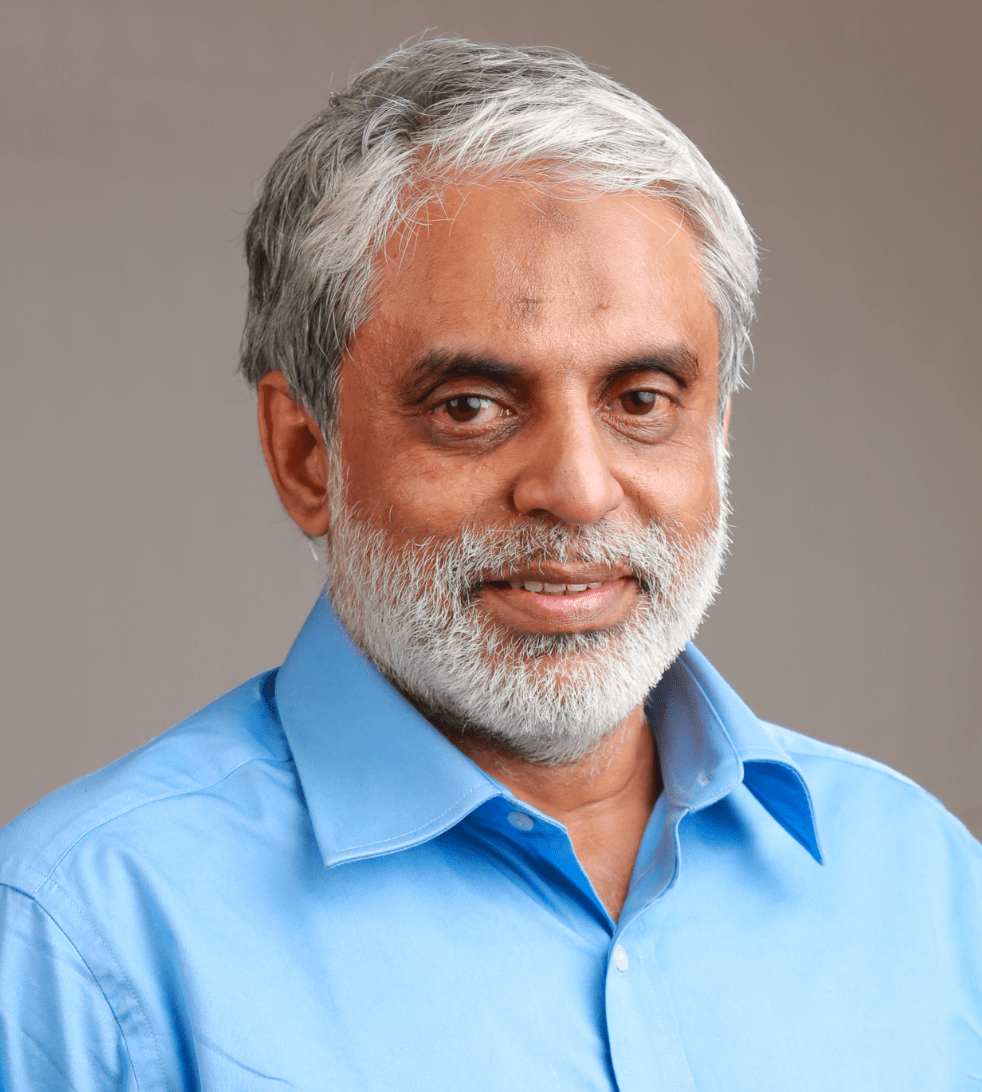
PATRON
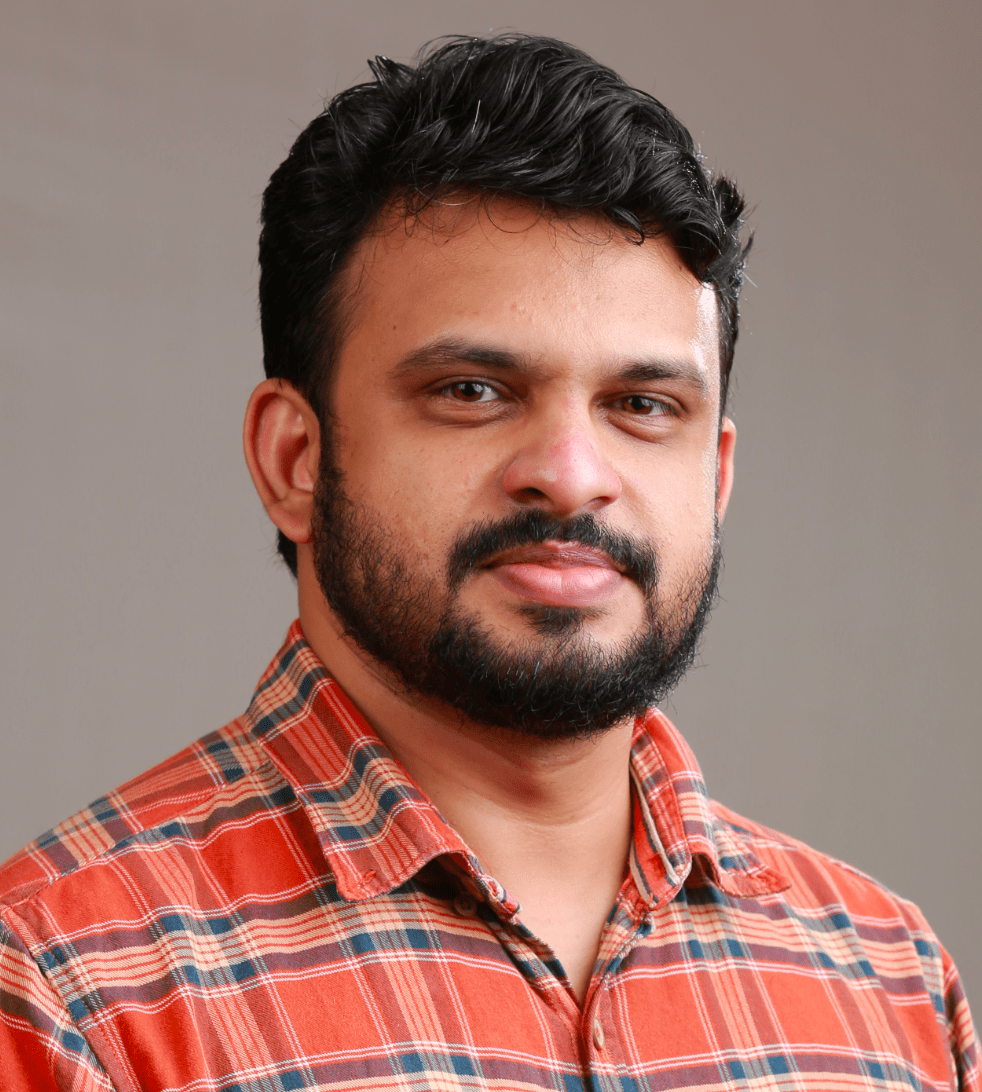
CLINICAL DIRECTOR
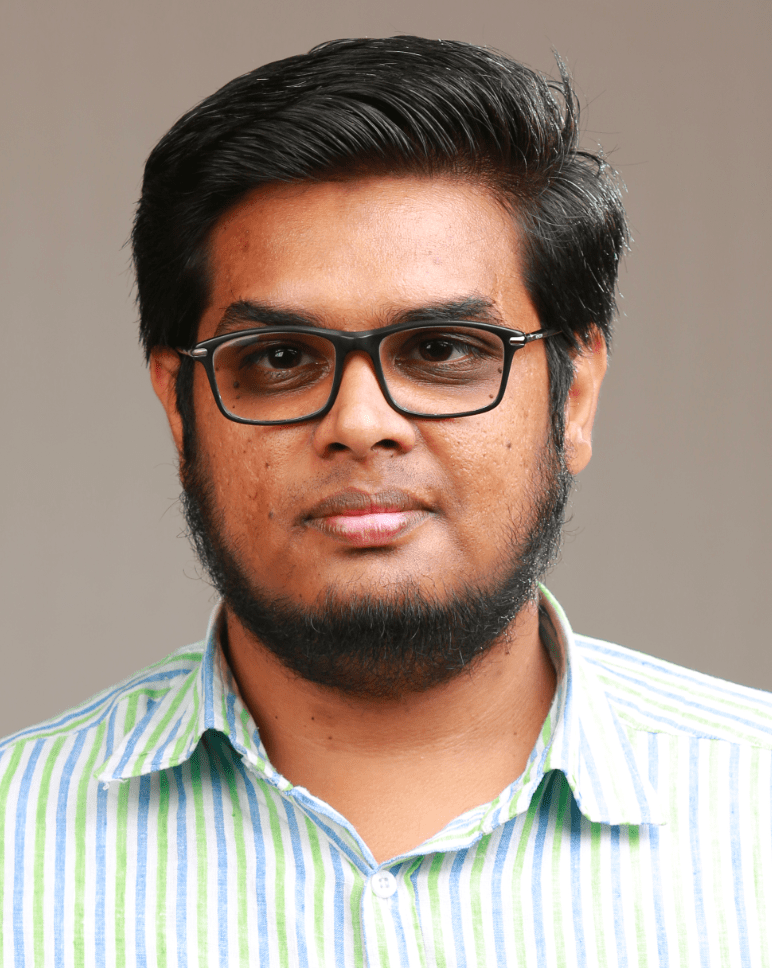
CHIEF EXECUTIVE OFFICER
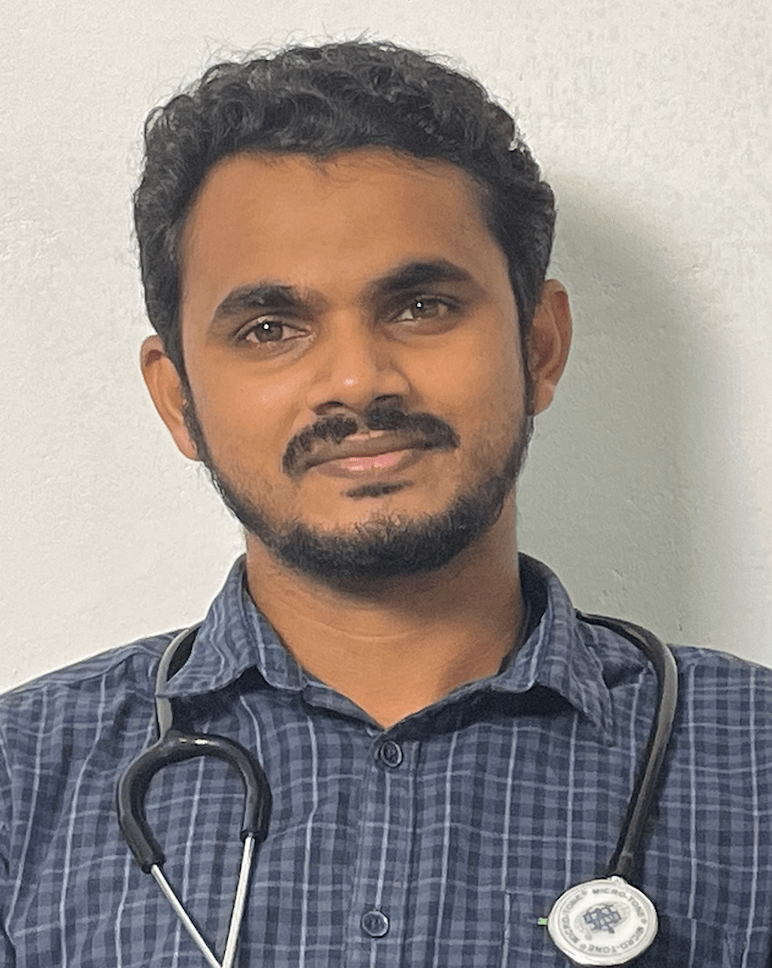
CONSULTANT PSYCHIATRIST
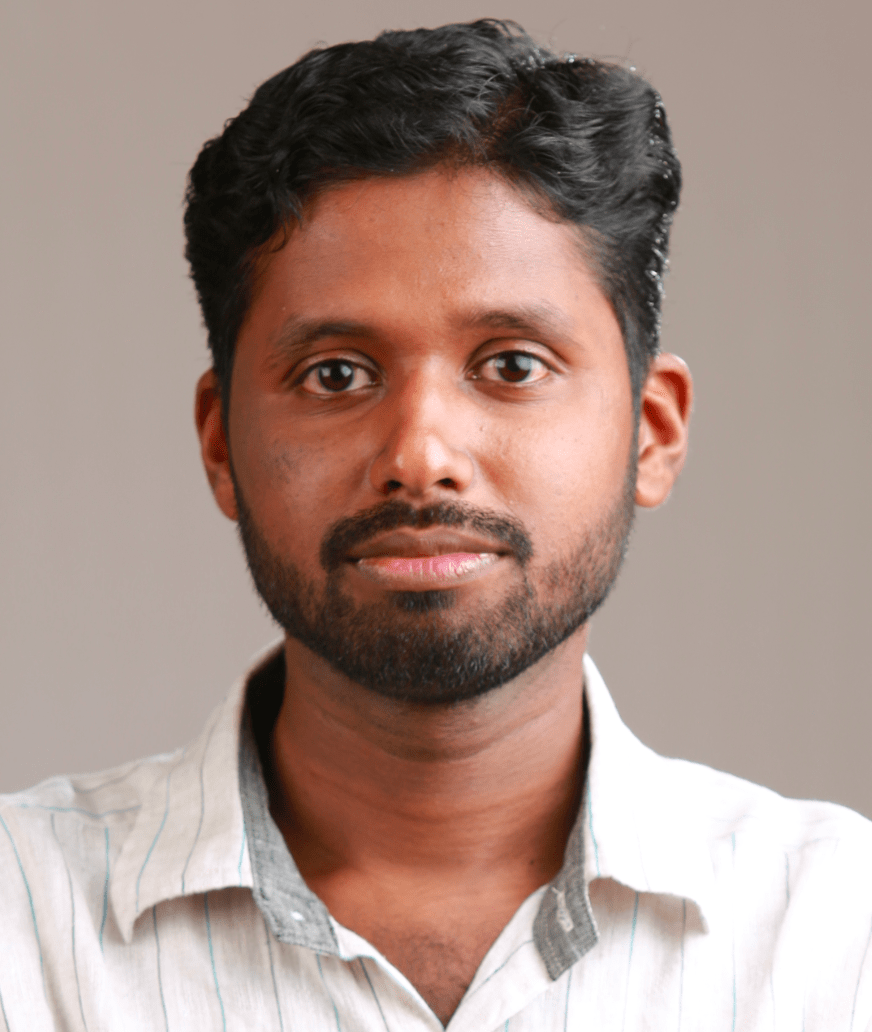
HUMAN RESOURCE MANGER
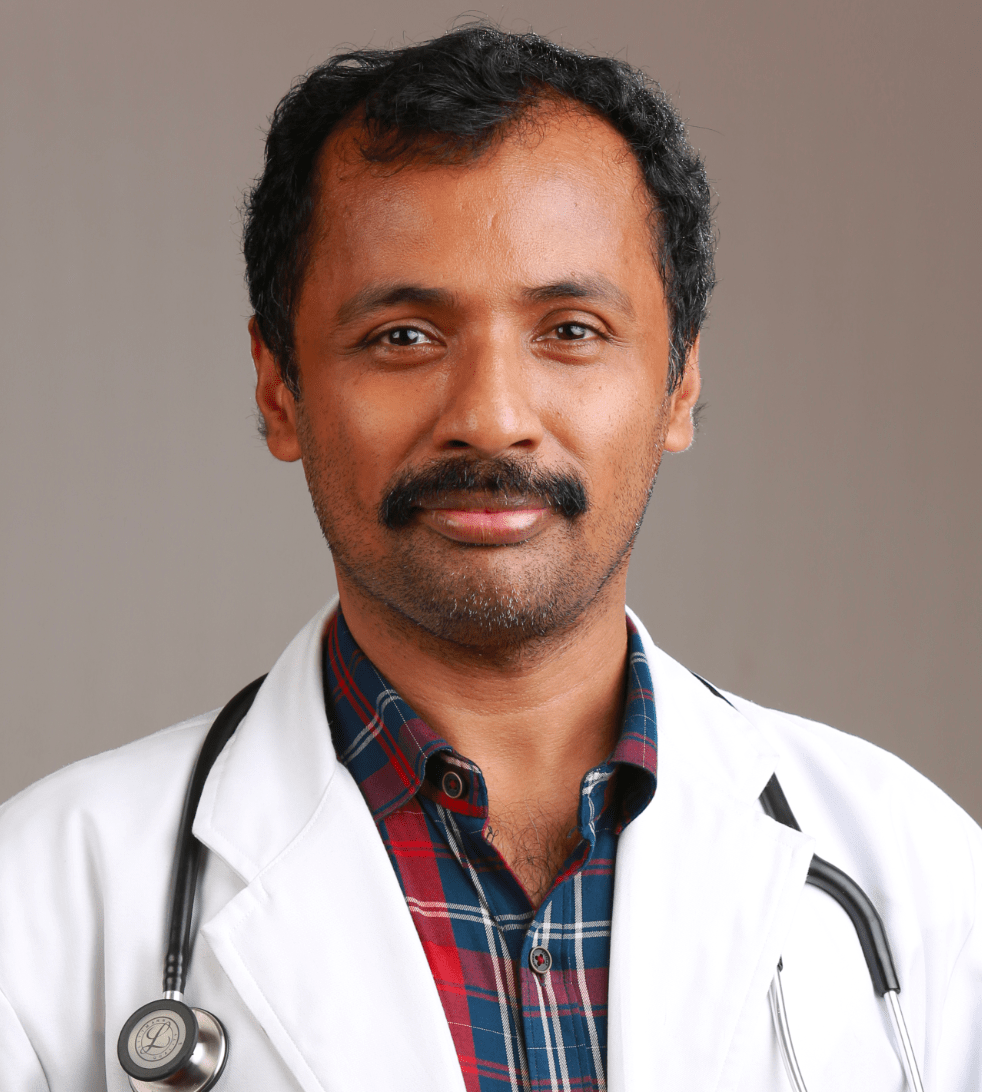
CONSULTANT IN INTERNAL MEDICINE AND PALIATIVE CARE
LIASION OFFICER
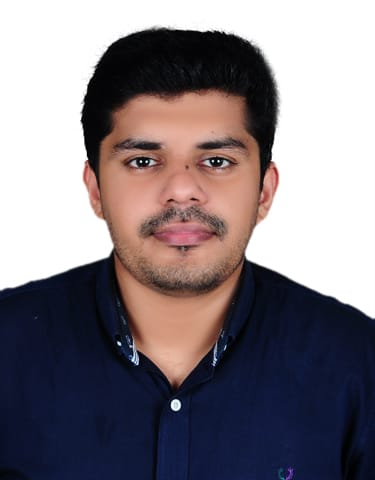
PROJECT MANAGER WAYANAD DISTRICT
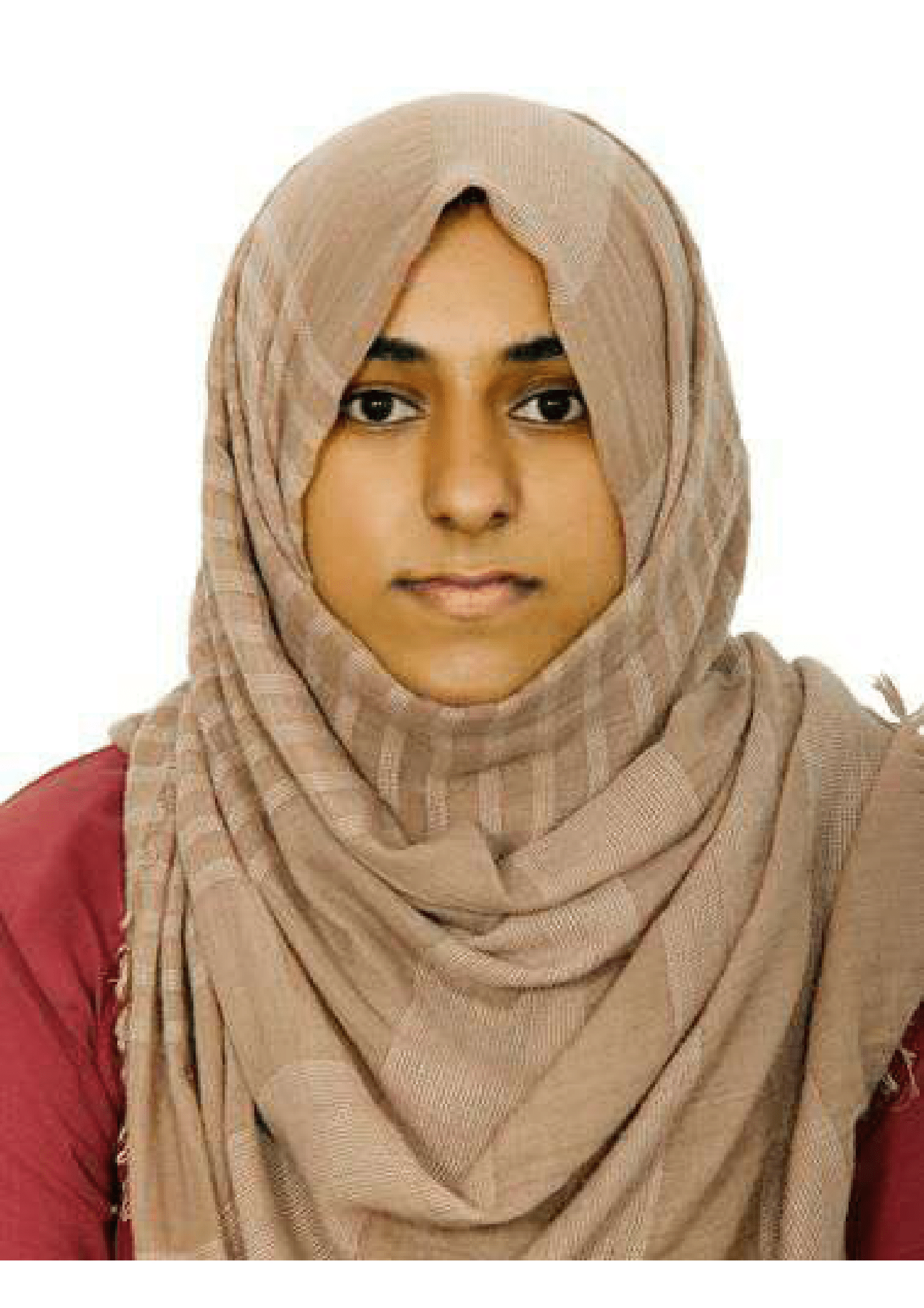
SOCIAL WORKER
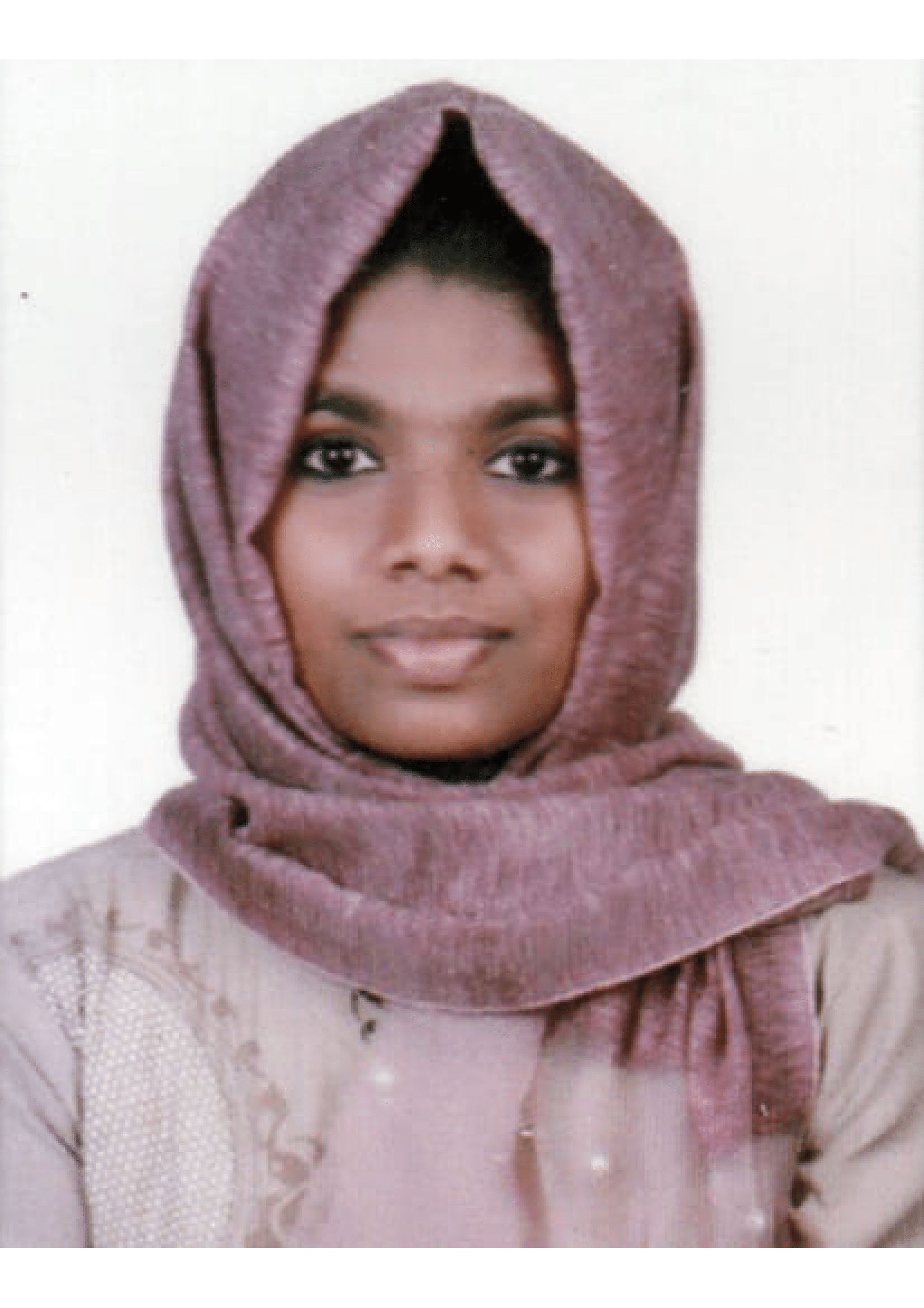
SOCIAL WORKER
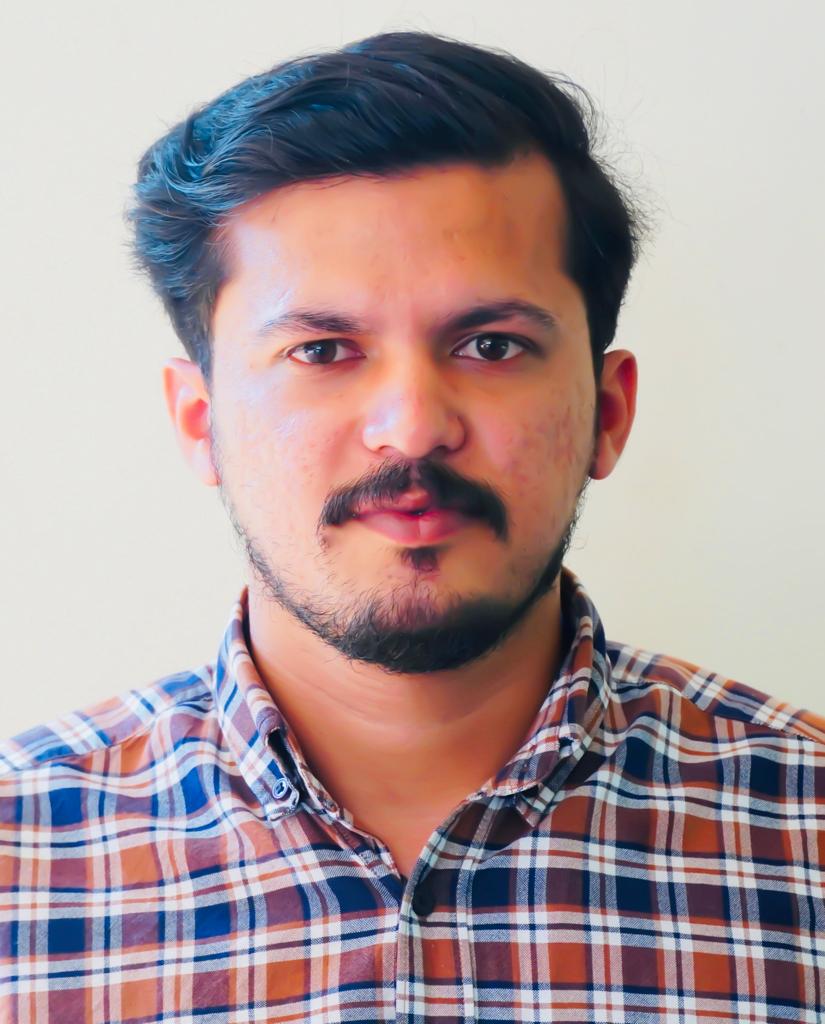
PROJECT ASSISTANT

RESEARCH FACILATOR & FIELD COODINATOR
